Russia Reopens Sea Of Azov Passage For Grain Ships For First Time Since July
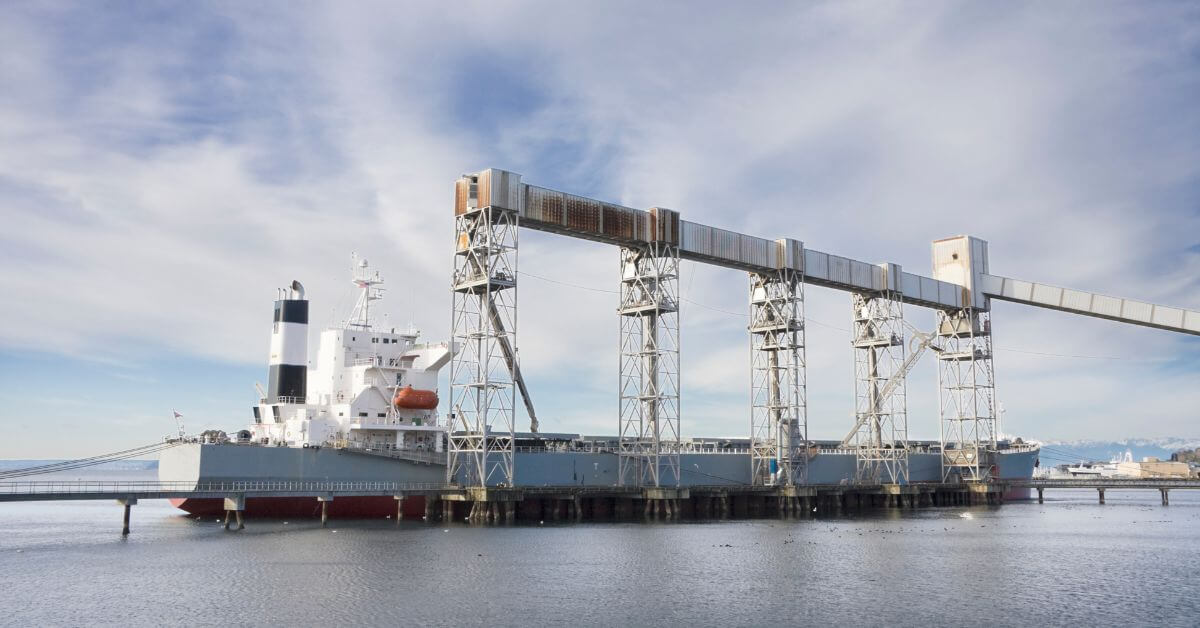
Russia has resumed granting departure permits to grain ships in the Sea of Azov after a halt of more than three months, allowing vessels to pass through the Kerch Strait into the Black Sea as Ukrainian drone attacks continue to threaten Russian maritime operations and export infrastructure.
Permission to depart was granted on October 26 to vessels operating from the Russian commercial ports of Temryuk and Kavkaz, according to three sources familiar with the matter cited by Bloomberg on October 28. At least one vessel had passed through the Kerch Strait into the Black Sea by October 29.
Ships with complete crews and preparations for transit can now apply for official permission to leave port. However, the resumption of departures does not amount to a full restoration of shipping operations, with vessels still facing security risks during transit across the Black Sea.
Russia suspended navigation through the Don–Azov Canal and stopped processing applications for passage through the Kerch Strait in July after a Ukrainian drone campaign targeted Russian vessels in the Sea of Azov.
Between July 6 and July 12, Ukrainian unmanned systems targeted 90 Russian vessels, including tankers, tugboats, ferries and cargo ships, according to reports. The number of vessels targeted reached 105 within eight days.
Ukraine’s Unmanned Systems Forces said on July 10 that they had struck 13 Russian shadow fleet vessels in a single operation. Combined with an earlier first-person-view (FPV) drone attack carried out by the Kairos unit, Ukrainian officials reported that 48 Russian vessels had been hit over five days.
The campaign, known as Operation Molochka, targeted Russian shadow fleet vessels operating in the Black Sea and Sea of Azov. Ukrainian officials said the vessels supported Russian military logistics by transporting cargo and servicing port infrastructure.
The targeted ships also included river-sea tankers and support vessels used to deliver fuel to Crimea, transfer crude oil into the Black Sea and sustain Russian military logistics along the occupied coastline.
By August 8, Ukraine’s Unmanned Systems Forces said drones had struck 218 Russian shadow fleet vessels, including 134 in the Sea of Azov and 84 in the Black Sea.
The Ukrainian campaign also affected Russia’s Black Sea export terminals. All three grain terminals at Novorossiysk, Russia’s leading Black Sea wheat export port, suspended operations over the summer following Ukrainian drone strikes.
The disruption to Black Sea terminals forced Russian exporters to shift much of their grain shipments to Baltic ports, Reuters reported.
Russia’s Krasnodar Krai, the country’s largest agricultural region, declared a state of emergency in September because of difficulties exporting grain.
The maritime disruption also affected the wider grain market. Reports said the summer campaign contributed to an increase in global grain prices, although the supplied information did not quantify the impact.
The reopening of the Sea of Azov route prompted an initial market reaction. Bertrand Oesterle, a commodity broker and vice president at StoneX, told Bloomberg that the initial reaction was “brisk to the downside”. He added that few market participants believed reopening the ports would significantly alter the risk outlook.
RELATED POSTS


Disclaimer :
The information on this website is for general purposes only. While efforts are made to ensure accuracy, we make no warranties of any kind regarding completeness, reliability, or suitability. Any reliance you place on such information is at your own risk. We are not liable for any loss or damage arising from the use of this website.

About Author
Aakriti is a journalist and news writer at Marine Insight, with over three years of experience covering the global shipping and maritime …Read More ->
Disclaimer :
The information on this website is for general purposes only. While efforts are made to ensure accuracy, we make no warranties of any kind regarding completeness, reliability, or suitability. Any reliance you place on such information is at your own risk. We are not liable for any loss or damage arising from the use of this website.
Subscribe To Our Daily Newsletter
By subscribing, you agree to our Privacy Policy you can unsubscribe anytime.